

It’s no secret that I bear little love for Missouri (Misery, my loved ones like to say, and they’re only half-joking).
I know that my cold feelings are at least partially unfair. It’s not the state’s fault, not really. It’s just that last time we were here, in 2021, I spiraled into a terrible depression and lost one of the people I loved most in the world and became semi-convinced that God despised me.
Okay, let me back up a bit.

Summer of 2021, I was on top of the world. I’d just wrapped up four years of a genuinely transformative education, graduated alongside lifelong friends, and married my beloved. We honeymooned in a slice of paradise, and though even this was marred by an unexpected loss, when we returned to our hometown and packed up our little Subaru for a cross-country move, I was all optimism. John and I had endured four years of long distance, and now we’d finally get to start our life together. This was the beginning of our adventure.
My travel log from our move is such a sweet glimpse into my mood at the time. It’s full of all these tiny, delighted observations: the dinosaur outside a gas station, the little goat plush that accompanied our journey, my wide-eyed gaping at the Great Plains. We spent our first few weeks in Missouri with only a mattress, a card table, and lawn chairs as furniture, and it might as well have been a five-star hotel. We didn’t have to go on dates; the luxury of sharing meals every night was so novel that I felt I was being wooed all over again.

I’m not sure when the first crack appeared. Maybe it was when we discovered the spricket infestation in our shed. Maybe it was when we went fishing—I was desperately trying to like the midwestern outdoors, even though they weren’t my beautiful northwestern mountains—and a horsefly the size of a quarter spent the whole time harassing me. Maybe it was after the third or fourth time I gave Dunkin Donuts a try and finally resigned myself to poor, watery, over-sweetened coffee. Maybe it was the first time I sat at a dinner table full of soldiers, awash in acronyms and inaccessible anecdotes, and failed to follow even the basic contours of the conversation.
Small things in isolation, I know. But as summer bled into fall, something else happened: the lush green hills that I had so admired on our drive into the state began to die. Unbeknownst to me, those vast forests were deciduous, and as they shed their leaves, the landscape turned grey.
So did I.
We had one vehicle, which John took to work. (He periodically coordinated rides with classmates so that I could use the car, but then I was faced with the conundrum of what to do with myself. On one occasion, I drove to a nearby graveyard and spent a couple hours walking among tombstones.)
I didn’t have a job, and though I didn’t have words for it at the time, I now recognize that graduating college had plunged me directly into an identity crisis. I’d spent years making myself clever and eloquent and well-read, and none of those traits seemed to matter much in the middle of the Missouri wilderness. My college friends were finding jobs and falling in love and hosting weekly game nights, and there I was, on another planet entirely. (There’s a joke here about how we lived within driving distance of the Uranus Fudge Factory, but I’m not sure how to make it.)
We didn’t really have a church, either. We had a handful of Christian friends that would occasionally gather in our living room, and we regularly hopped on video calls to pray and study scripture with loved ones. Once, we tried out the on-post chapel, hoping to make friends after service—and were subsequently shocked and chagrined by how quickly people fled after the last song had been sung.
I don’t mean to diminish the connections that we had. Those living room gatherings and video calls were lifelines, and I believe the current wellbeing of my soul is owed in part to those kind friends. But I had come from daily, lived discipleship with roommates and friends who knew me deeply, and John alone could not replace that (nor did I expect him to).
And then my Nana died.
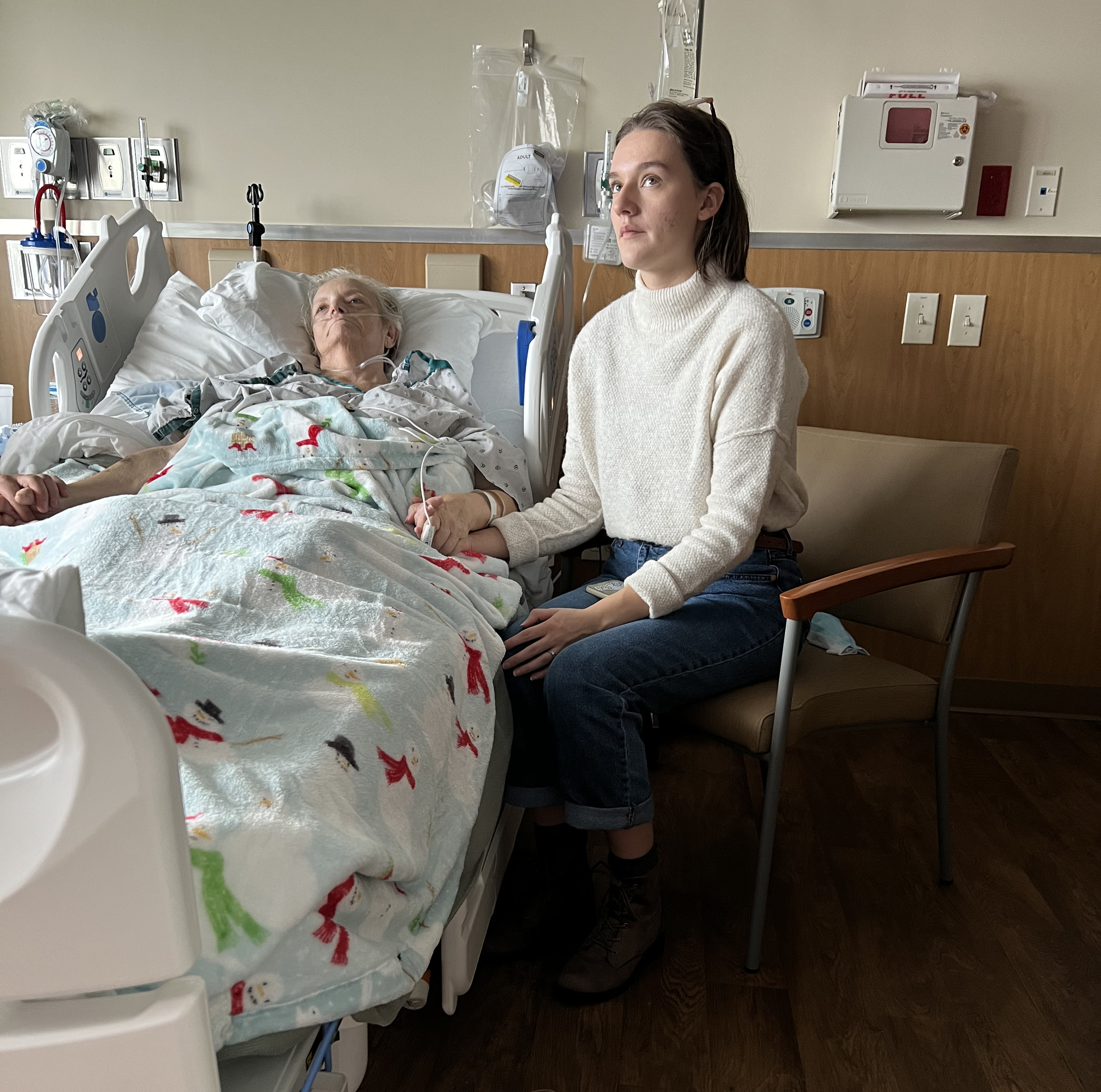
Oh, but those words still do not come easily. My Nana was diagnosed with leukemia, which progressed more rapidly than the doctors projected, so I made an emergency trip to see her after Thanksgiving. By the time I made it to her bedside, she was nonverbal. She was moved to in-home hospice and died before Christmas.
There aren’t words for how it gutted me.
When Dr. Garcia, a college professor and mentor, had passed away unexpectedly while John and I were on our honeymoon, it’d unlocked a deep well of fear within me. I’d never lost someone so suddenly before—there one moment, gone the next. I was more acquainted with the slow, creeping death of disease, which for all its pains and terrors at least allows you to say goodbye. Dr. Garcia’s sudden death made me confront a terrible fact: my loved ones could die at any time, and I’d be all the way across the country.

Nana’s death was one of my worst fears come to life. I had all these dreams of interviewing her and recording her life story, and I’d prepared a document full of dozens of questions, but by the time I got to her, it was too late. The voice that had sung me to sleep, the heart that had dreamed up so many adventures for her grandchildren, the hands that had braided my hair and cooked meals full of butter and pure love—gone.
We have pithy metaphors for things like this: the straw that broke the camel’s back, the drop that spilled the drink, the final nail in the coffin. But my Nana’s death wasn’t one equally bad thing among many, as if it could’ve been her or the horsefly that tipped me over the edge and the horsefly just had better timing. It was more like my keystone had been sledgehammered into dust. I collapsed.
Back in Missouri, I slept. When I got out of bed, I rarely changed out of my pajamas. More often than not, dinner with John was my first full meal of the day. I left home so infrequently that I began to feel near-sighted, and socializing felt more and more like an oversized pair of boots: clunky, stumbling, imbued with the deep sense that it shouldn’t be this hard, it didn’t used to be this hard.
During our final month in Missouri, John went off the grid for Sapper School. I was sleeping on an air mattress in an empty house (the movers had already come to collect our belongings) when Russia invaded Ukraine. It took a series of overwhelming, teary phone calls to finally get in touch with someone who could help me. I have no way contacting my husband, I explained, over and over, and I’m trying to figure out if he’s deploying.
The answer was yes. He graduated Sapper School and we completed our move to Fort Stewart, Georgia. After a brief stint in the local La Quinta, we found a rental house (our expensive storage unit for the following months), and then he deployed to eastern Germany for an indeterminate period of time. I was alone—well and truly alone, aside from my cat—so I flew to Washington and moved back in with my parents.
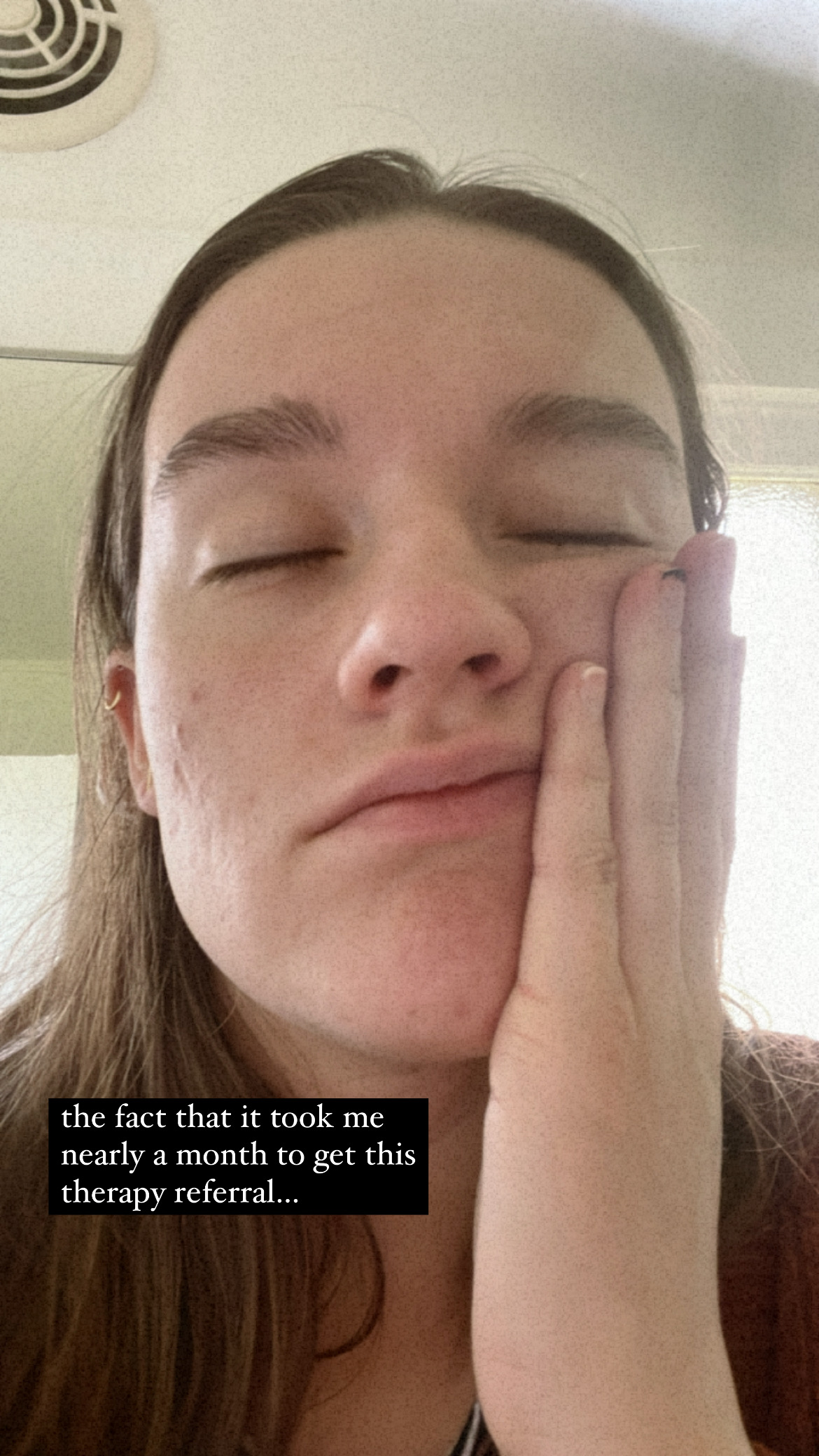
My time in Washington is probably enough for another blog post entirely. Suffice it to say: things were bad enough that my parents stopped suspecting laziness and started worrying. After navigating the convoluted healthcare system, I managed to find a therapist. At my first session, we went through a neat little questionnaire and I watched him write depression: moderate-severe into my chart.
I normally don’t specify that part (I have no interest in playing suffering Olympics; life is hard for all of us, regardless of what our medical records say), but it stunned me to see it written so clinically. I’d convinced myself it wasn’t so bad, that I was managing it; I still had good moments and laughed at jokes and enjoyed writing. But those good moments were shallow and lukewarm in comparison to the deep gloom of apathy and shame that enveloped most of my waking moments.
Yes—shame. That was part of it, too, though it took me a while to see. Depression makes you feel like a failure, and even at my most mentally healthy, I’d never coped well with my own insufficiencies. I was failing at everything. I hated myself for it, and I pitied myself over it, and I was fairly convinced that God felt the same. In my therapy-mandated reading, an author made the simple observation that God was pleased with me, the reader—and I scoffed and shook my head. Yeah, right, I thought, I’m not even pleased with me, and I’m not an all-perfect being with accordingly high standards.
There was no sudden miracle, but it did get better. I kept going to therapy. I cried a lot. I journaled and spent hours sitting in the sunlight, praying very simple, undemanding prayers, trying to warm my heart up to the idea that the God who created me was, in fact, quite fond of me, depression and all. My sojourn in Washington was unexpected, but it gave me time: time alone, to sort through the mess I had become, and time with loved ones who would’ve otherwise been far from me.
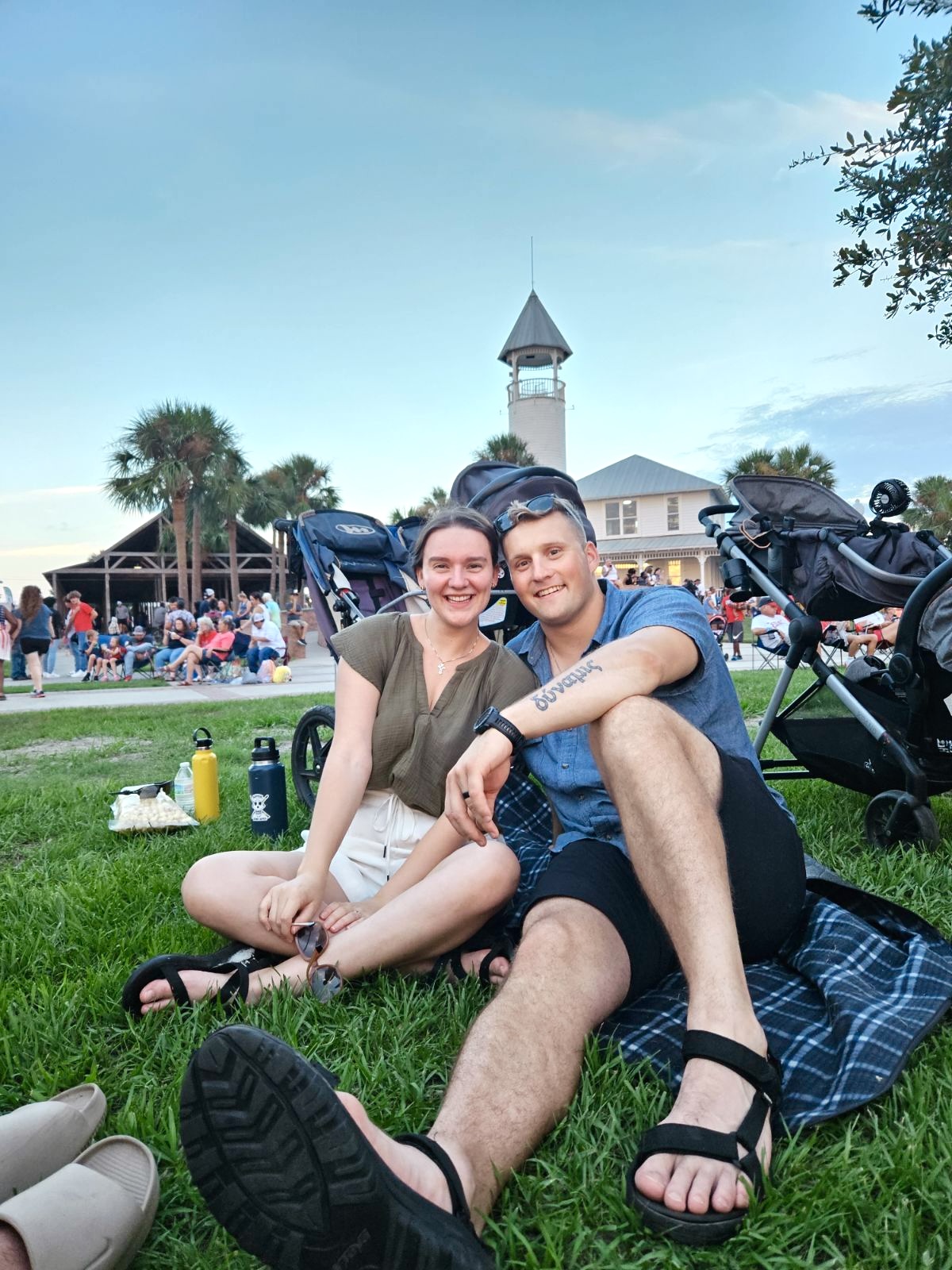
When John returned, it was like a honeymoon all over again. Our marriage had never been the problem—John’s love was one of the only things keeping me afloat during those worst days—but there was a new joy in relearning how to share life together.
If Missouri had been my barren winter, Georgia was a vibrant summer. We found our church, made friends, and built a life. We had favorites—coffeeshops, beaches, restaurants, parks, pubs—and even a few least favorites, like real locals. We dreamed about the future: children, a place to put down roots, different jobs for John. It wasn’t perfect, but it was good. And as time passed, it got easier to joke about things. Making quips about how Missouri was Misery is a lot easier than explaining… well, all of the above.
I always knew that moving back to Missouri was a possibility. John’s an engineer officer, and Fort Leonard Wood is where they train. But we’d dreamed of winning the military lottery and ending up somewhere further west, and boy, did we knock on every door we could. Alas, none of them opened, so in the winter of 2024, there we were, packing up our lives to head back to the middle of nowhere (the middle of everywhere, according to those who love it here).
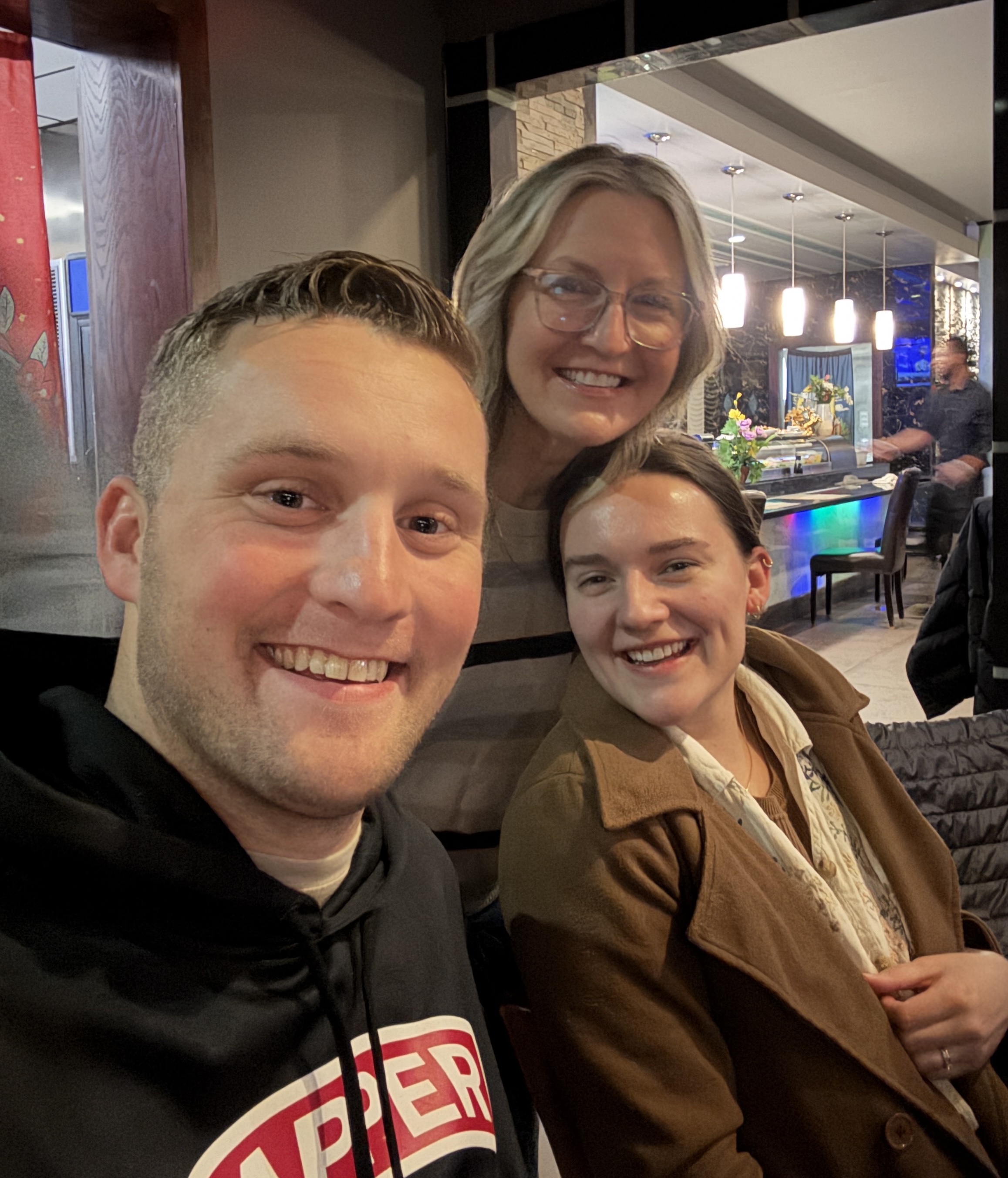
We made the move in one day (a feat that would’ve been impossible if my mom hadn’t flown out to help us. Love you, mama). As we entered the final stretch of the trip and those rocky, rolling Missouri hills came into view, I was surprised by a subtle wave of nostalgia—and I was even more surprised by a tentative, hopeful thought: if my last sojourn in Missouri had been a harsh winter, perhaps this time could be a tender spring. Maybe Missouri and I could find a way to love each other after all.
Then we got to the hotel and I discovered all my plants had died.
It was a foolish oversight—we’d packed them in the Subaru, which we’d then towed through freezing temperatures. It was like sticking them in a freezer all day and hoping they’d live. Even as I wept over their flopping, frigid stems, I realized how ridiculous it was: we’d made it halfway across the country alive and in one piece, we had a roof over our heads and food in our bellies, our pets had settled contentedly into our hotel room—and here I was, crying over plants.
But most of them were plants I’d had since before college, and they’d journeyed many years and many miles with us. One pothos, fondly named Marv, had been a gift from me to John during our freshman year of college. He’s a symbol of our love, I’d joked. Don’t you dare let him die.

Miraculously, Marv survived college—even when he was locked away during covid and John had to find someone who could get into his room to water him. By the end of 2020, Marv had a whole company of West Point cadets rooting for his survival. And when John graduated and moved his belongings back to the West Coast, I flew from New York to Washington with Marv on my lap like a small child.
So in the grand scheme of things, the plants were a trivial loss—but to me, they were huge. I’m not superstitious, but discovering their corpses on our first night back felt like an ill omen.

We’re now two weeks into the New Year—two weeks into our time back in Missouri—and I’ve spent most of that time feeling like an ailing Victorian woman. First there was a cold, then a sinus infection, then a series of migraines that left me largely bedridden for over a week. Somewhere in there, we had a winter storm that froze the roads and knocked out our power, and we’re now bracing for another (worse) one.
It’s not a good start, I laughingly tell loved ones over the phone. I just don’t think Missouri likes me.
But that’s not really the truth, because there was also the crew of near-strangers that turned up to help us unpack our U-Haul, and the family that welcomed us to their home and dinner table when we didn’t have power, and the kind doctors that have cared for us. There’s a church that embraced us immediately, and friends from Georgia that just moved into the area, and alright, I’ll admit it, there’s even a bit of rugged beauty here that I’m more equipped to appreciate this time around.
I don’t want to close with some shallow note about how everything will be alright, because it might not be. I have no way of knowing what we’ll face this time around; I can only pray for God’s grace to sustain us. But I think this anecdote is fitting.
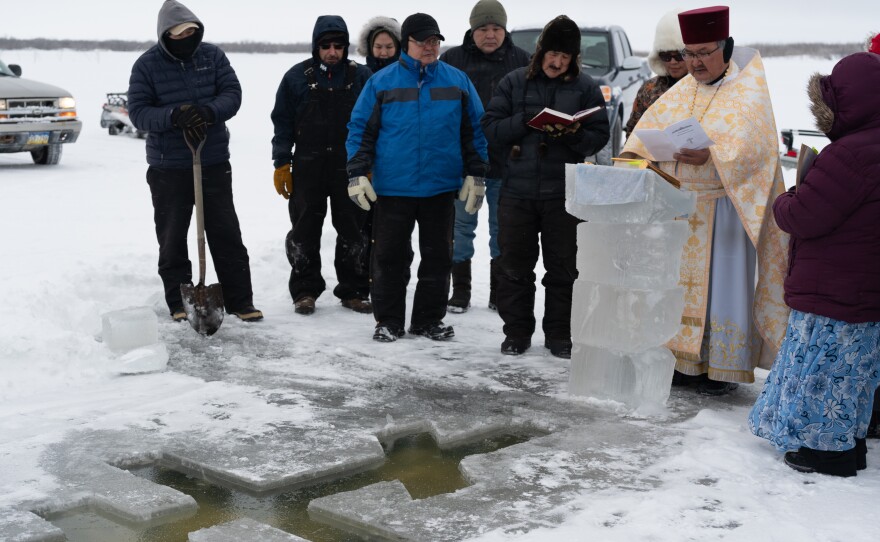
Twelve days after Christmas, the church celebrates Theophany: Christ’s baptism, the revelation of the Trinity, and the redemption of creation. Because Christ blessed the waters of the Jordan through His baptism, this feast includes an indoor and outdoor blessing of waters—yes, outdoor, as in “find the nearest body of water and bless it.” God’s blessings overflow from His church into the world, even into small ponds in rural Missouri.
Due to the winter storm, our outdoor blessing of water was postponed to this Sunday. Still, we found ourselves hiking through six inches of snow to get to the ice-crusted pond near our church. Someone used a sledgehammer to carve a rough cross into the ice, and we sang and prayed and celebrated the great gift of our God choosing, out of nothing but His abundant love, to enter His creation and heal it.
“Today You have shown forth to the world, O Lord, and the light of Your countenance has been marked on us. Knowing You, we sing Your praises. You have come and revealed Yourself, O unapproachable Light.”
(for the curious, you can listen to this hymn here!)
I had forgotten to bring a coat—a rookie mistake for January in Missouri, but I chalked it up to migraine brainfog. When John realized I didn’t have a coat, he gave me his; then our friends realized he didn’t have a coat, and there was a trip to their car and a coat shuffle and I ended up wearing a friend’s. It kept me warm all the way out to the pond and back—so warm, in fact, that when the priest sprinkled cold, blessed waters across my forehead and cheeks, I cherished the chill.
It’s a simple, quiet lesson. Not all that profound, I know. But it’s what I needed. I don’t know if I’ll get my tender Missouri spring, all fresh growth and new beginnings. But I know that if the winter stays, I’ll have what I need to keep warm.
P.S. remember what I said about my plants dying?
Well, they did. Mostly. But not all of them, and not all the way.
My oldest plant, a pothos named Pippa, used to be so sprawling that she took up an entire seat in the Subaru. I cried as I cut back stem after stem—but right at the center, low to the soil, where she’d managed to retain the tiniest bit of warmth, a few green leaves remained.
If she can do it, I suppose I can, too.


Discover more from LIFE OF GRACE
Subscribe to get the latest posts sent to your email.

